
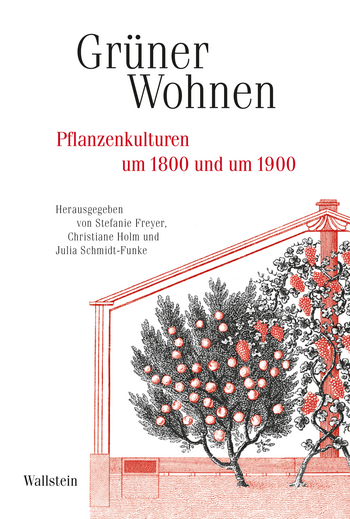
Ein Beispiel dafür bietet der Weimarer »Jardin portatif« – ein multifunktionales Möbelstück, das botanische und soziokulturelle Aufgaben erfüllte. Gepflegt vor allem von Frauen, bieten solche Pflanzenmöbel aufschlussreiche Einblicke in die Geschlechterverhältnisse der Zeit. Sie zeigen, wie gärtnerische Praktiken in die Alltagsästhetik eingebettet waren.
The essay examines the intersection of horticulture and interior design in late 18th- and 19th-century Europe, with particular attention to the emergence of interior plant furniture. This cultural phenomenon is exemplified by Weimar’s »Jardin portatif«, a multifunctional piece that served both horticultural and sociocultural purposes. Maintained primarily by women, these indoor gardens offer valuable insights into gender roles, revealing how botanical practices were embedded in everyday life.